Indonesian ISCC Certified Palm Oil for Biodiesel
This guide explains how to source Indonesian ISCC Certified Palm Oil for Biodiesel with the specs and documents blenders must verify.
By Rina KartikaHead of Vegetable Oil TradingEight years structuring RSPO and ISCC palm oil programmes for refiners, food manufacturers, and biodiesel blenders across Asia and Europe.
ISCC certified palm oil for biodiesel is not a generic palm oil inquiry. A blender needs to confirm the feedstock grade, ISCC EU claim, shipment size, Incoterm, customs code, and sustainability document flow before price can be compared across suppliers.
We write this as the export desk at Indonesia Palm. For biodiesel and renewable fuel programmes, our Indonesian route is RBD Palm Olein ISCC EU, supplied in vessel lots for buyers that need certified refined palm olein rather than crude palm oil or food-grade RSPO olein.
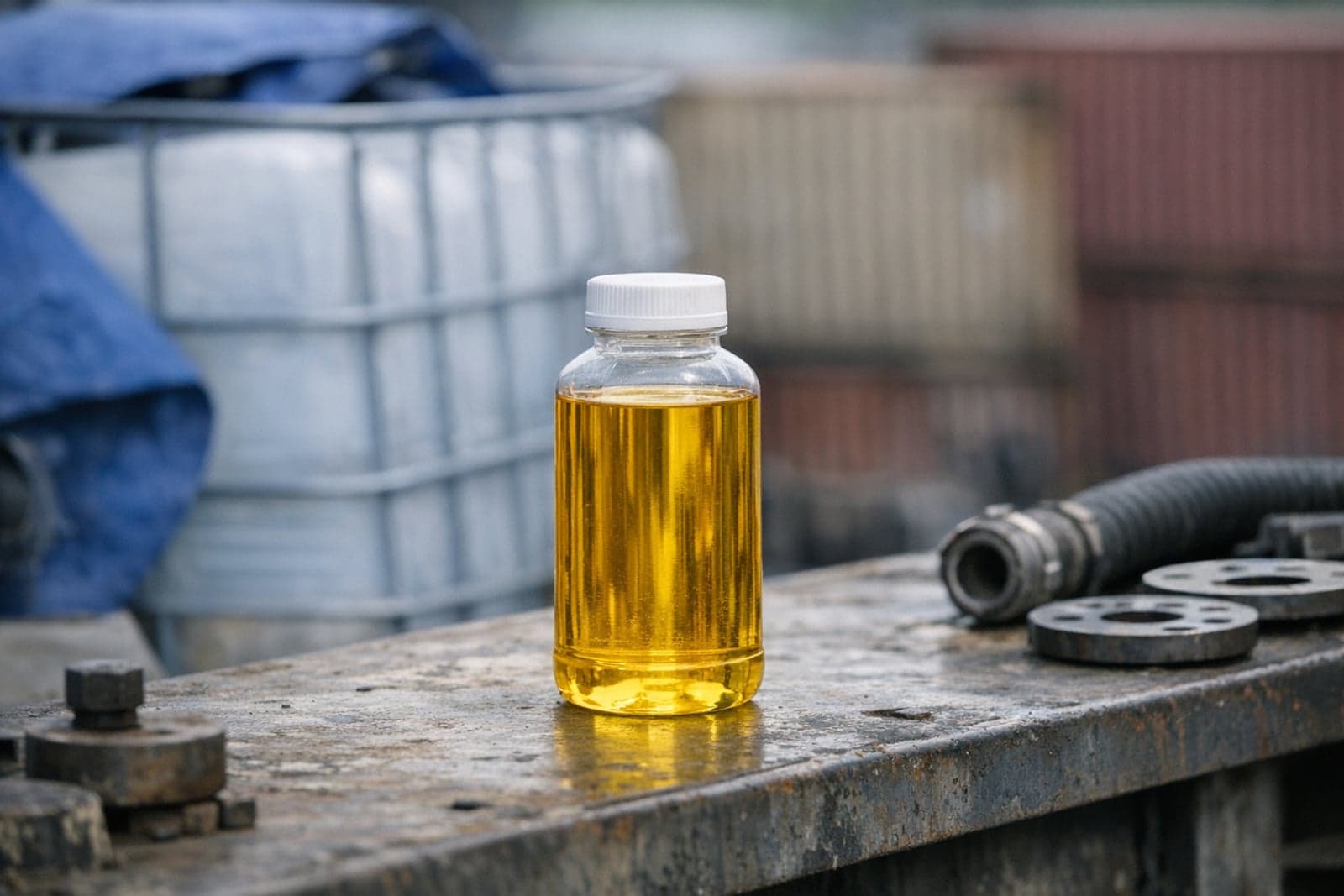
Featured product
RBD Palm Olein ISCC EU (Biodiesel)
ISCC EU certified RBD palm olein IV 54–56 in 1,000 MT vessel lots for biodiesel and renewable fuel programmes.
ISCC EU · ISO 22000
View specificationsWhat product should a biodiesel blender specify?
A biodiesel blender should specify ISCC EU certified RBD palm olein when the required feedstock is refined palm olein for a fuel programme, not CPO, palm stearin, or food-grade RSPO olein. The product name in the inquiry should match the intended sustainability claim and import classification.
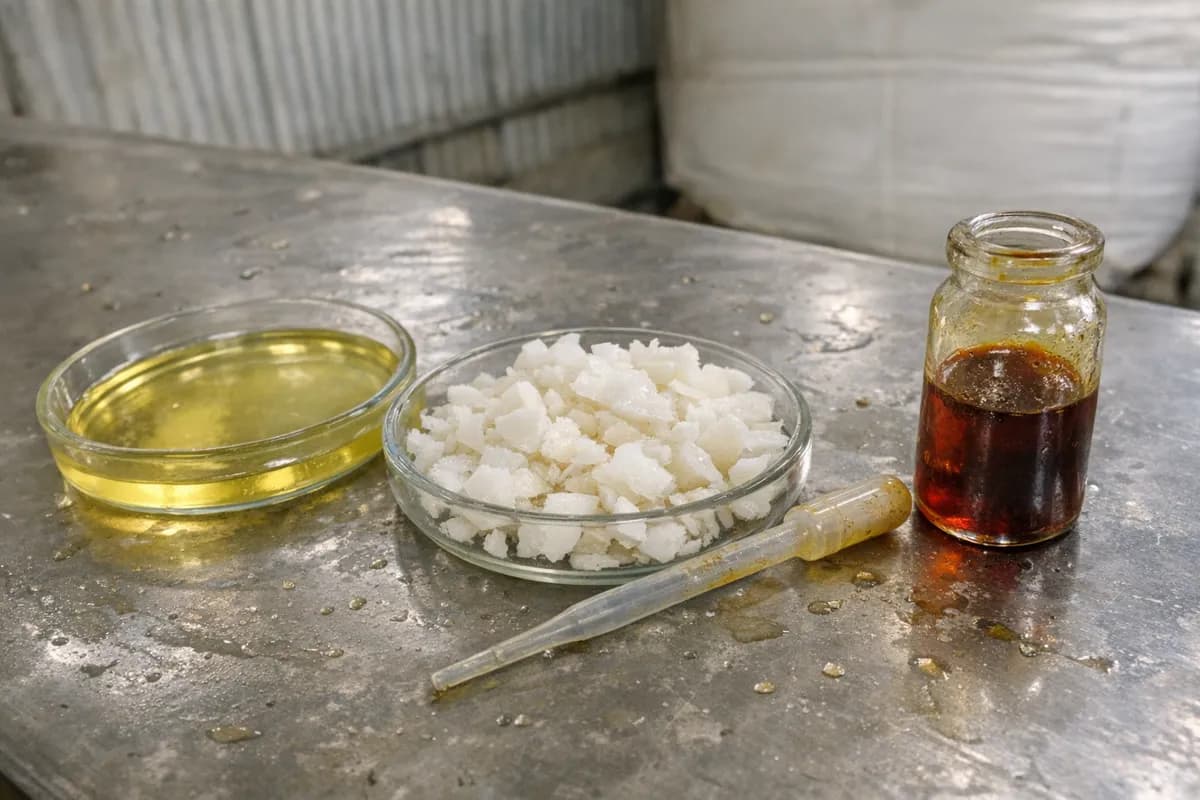
Our RBD Palm Olein ISCC EU for biodiesel is supplied with FFA ≤ 0.1%, iodine value 54 to 56, cloud point ≤ 10°C, colour ≤ 3R Lovibond 5¼", a 1,000 MT vessel lot MOQ, bulk vessel or shore tank handling, 3 to 4 weeks lead time from contract, ISCC EU and ISO 22000 certification, FOB, CFR, or CIF Incoterms, and HS code 1511.90.
Those fields matter because biodiesel intake teams often treat the purchase file as a chain of linked decisions. FFA affects pretreatment and catalyst consumption. Iodine value affects unsaturation profile. Cloud point matters when the buyer is managing cold-flow risk in a finished blend or in a pretreatment system. The sustainability claim affects whether the parcel can enter a certified fuel supply chain.
If your procurement file is still open, review our ISCC EU certified palm oil range first. It helps separate biodiesel olein from other certified palm products before you ask for allocation.
What does ISCC EU change in the buying process?
ISCC EU changes the buying process because the sustainability claim must be controlled from contracting through shipment documents. A blender should treat ISCC EU as part of the product specification, not as a certificate requested after the cargo is fixed.
The European Commission recognized ISCC EU under Commission Implementing Decision (EU) 2022/602 for demonstrating compliance with Directive (EU) 2018/2001, and that decision states that recognition applies until 13 April 2027. That gives buyers a checkable regulatory reference when their compliance team asks which voluntary scheme is being used.
ISCC EU does not remove the buyer’s obligation to check destination fuel rules. Directive (EU) 2018/2001 Article 29(10) sets greenhouse gas saving thresholds for biofuels at 50%, 60%, or 65% depending on the installation start date published in that Directive. For palm-based feedstocks, blenders selling into regulated renewable fuel schemes should confirm how their local authority treats high ILUC-risk feedstock before contracting.
For purchasing, the contract should state the product name, ISCC EU claim, quantity, shipment window, Incoterm, and document requirement. Avoid loose terms such as “certified palm oil” if the receiving party needs ISCC EU certified RBD palm olein. A mismatch between contract wording and document wording can slow sustainability mass-balance booking, bank review, or customs clearance.
Ask your compliance team before the tender closes whether the file needs a specific sustainability declaration, proof of supplier scope, GHG data fields, or other programme wording. We need those instructions before issuing final commercial documents, not after the vessel is loaded.
What is the minimum order and price context for ISCC certified palm oil for biodiesel?
Our MOQ for ISCC EU biodiesel olein is 1,000 MT by vessel lot. Price depends on the grade, certification claim, vessel routing, Incoterm, cargo volume, shipment month, freight market, and Indonesian export cost at the time of contract.
We do not publish spot prices in an article because palm oil benchmarks move daily. A physical offer is normally built from a market reference such as Bursa Malaysia Derivatives FCPO, then adjusted for Indonesian origin, refining value, ISCC EU certification, freight, and the agreed Incoterm. Indonesian export cost can also affect the offer structure because Indonesia’s Ministry of Trade publishes the reference price used for export duty administration, while Indonesia’s Ministry of Finance publishes tariff rules for export duties and palm oil levies.
FOB is usually the cleanest comparison when the buyer controls freight and wants to compare origin offers against its own vessel programme. CFR can suit a blender that wants us to arrange sea freight to the named destination port. CIF adds seller-arranged marine insurance to the freight leg, while the buyer still handles destination customs, port charges after arrival, duties, taxes, and inland delivery unless the contract says otherwise.
For a current quotation, send the destination port, shipment month, volume, Incoterm, and ISCC document instructions through our contact page. If your receiving plant has an intake limit stricter than our published product limits, include it in the first request so we can confirm fit before pricing.
How should blenders evaluate the specification before ordering?
Blenders should evaluate the specification against conversion process, tank handling, and final fuel blend requirements before approving the purchase. The commercial grade is only useful if it fits the plant’s technical limits and sustainability file.
Start with FFA. A low FFA refined olein route can reduce pretreatment pressure compared with higher-FFA crude feedstock, but each biodiesel plant has its own esterification and transesterification design. Your technical team should set the receiving limit in the purchase specification, then compare the supplier’s certificate of analysis against that limit.
Next, review iodine value and cold-flow planning. IV 54 to 56 identifies this as palm olein rather than a harder palm fraction. A cloud point limit of ≤ 10°C is still a palm olein characteristic, so blenders should check seasonal storage conditions, tank heating, line insulation, and any final blend cold-flow target required in the destination market.
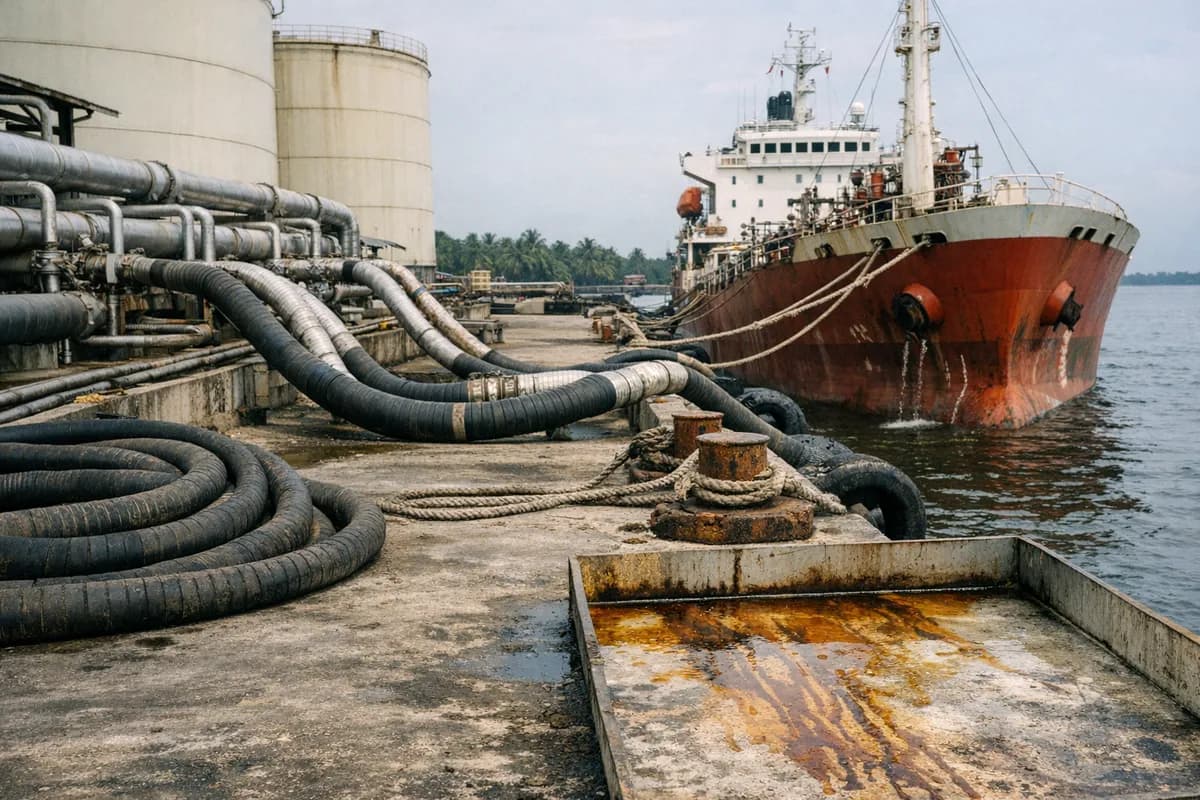
Then check the physical route. This product is handled by bulk vessel or shore tank, so the buyer should confirm discharge tank availability, heating capability if needed, cargo survey instructions, and sampling point. If your procurement team is comparing bulk vessel against containerized imports for other palm products, our guide to Indonesian palm oil flexitank versus bulk vessel explains the practical difference in MOQ and handling.
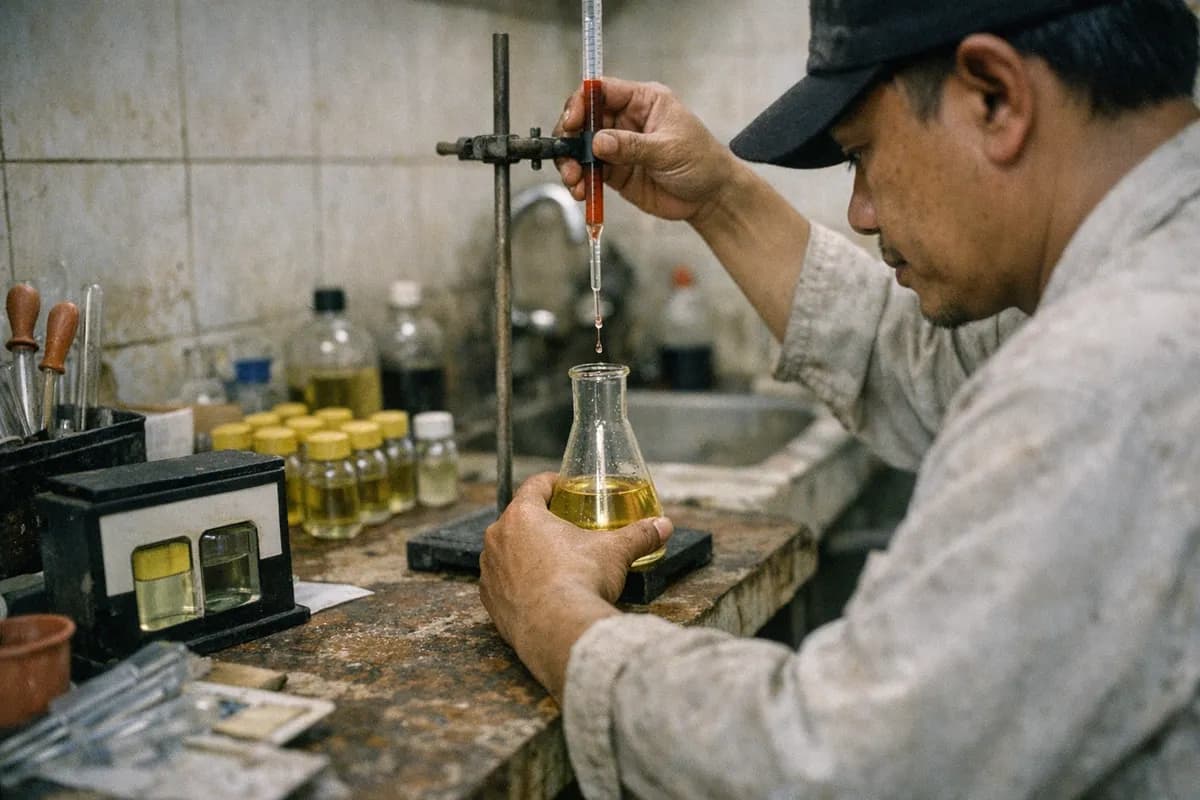
Before order approval, align the certificate of analysis format with your receiving lab. The COA should show the parameters your plant will test on arrival. If your lab uses a specific test method or your bank requires a particular wording, include that in the contract instruction.
What documents should be checked before shipment?
A blender should check the document set before shipment against three files: the purchase contract, the import broker instruction, and the sustainability compliance requirement. The same product name and claim should appear consistently across the commercial and shipment records.
For the commercial file, check the proforma invoice or sales contract, commercial invoice, bill of lading draft, certificate of analysis, and any origin or customs document required by the destination. The HS code used for our ISCC EU biodiesel olein is 1511.90, but the importer of record should confirm the final declaration with its customs broker.
For the sustainability file, confirm that the ISCC EU claim is written in the way your certified chain requires. The buyer should also confirm whether the receiving entity, trader, or blender needs to book the incoming material under its own ISCC scope. This is a process check, not a cosmetic document change.
For the logistics file, verify loading port, discharge port, vessel name when available, quantity, tank reference, laycan or shipment window, freight term, and consignee details. Bulk liquid cargo disputes often come from inconsistent instructions rather than from the oil itself.
If your team is new to Indonesian palm oil import flows, our article on documents and steps for importing Indonesian palm oil gives a broader checklist for customs, bill of lading review, and certificate matching.
How should a blender move from inquiry to contract?
A blender should move from inquiry to contract by fixing the product, claim, destination, volume, Incoterm, shipment month, and document wording in that order. Price comparison is only reliable after those fields are fixed.
A workable inquiry is specific: “1,000 MT Indonesian RBD Palm Olein ISCC EU for biodiesel, CIF Rotterdam, shipment in September, HS 1511.90, bulk vessel, certificate of analysis required, ISCC document wording to be confirmed by buyer compliance.” That gives the export desk enough structure to check allocation and freight.
After the offer is accepted, the contract should repeat the agreed specification, quantity, Incoterm, shipment timing, payment terms, document set, and sustainability claim. Any receiving-plant exception should be written into the contract before production or tank allocation begins.
The last review is operational. Confirm shore tank readiness, discharge heating practice where applicable, surveyor instructions, customs broker details, and who approves draft documents. Biodiesel feedstock sourcing works best when procurement, compliance, logistics, and plant operations approve the same file before loading.
For buyers comparing this feedstock with other biodiesel routes, our palm oil for biodiesel product page is the best starting point. Send the final port, timing, and document requirements when you are ready for a firm offer.