EUDR Compliance for Indonesian Palm Oil Imports
EUDR compliance for Indonesian palm oil imports starts before price negotiation, so this checklist shows what buyers should verify.
By Rina KartikaHead of Vegetable Oil TradingEight years structuring RSPO and ISCC palm oil programmes for refiners, food manufacturers, and biodiesel blenders across Asia and Europe.
EUDR changes how EU buyers should source Indonesian palm oil. A normal price inquiry is no longer enough. The buyer needs to fix the product, HS code, certification claim, traceability evidence, Incoterm, document wording, and due diligence workflow before the shipment is contracted.
We write this guide as the export desk at Indonesia Palm. It is for EU importers, food manufacturers, refiners, oleochemical users, and procurement teams that need Indonesian palm oil and want a buyer-side checklist for EUDR-ready sourcing.
What does EUDR require for Indonesian palm oil imports?
EUDR requires the EU operator to place palm oil on the EU market only when the product is deforestation-free, produced in accordance with the relevant legislation of the country of production, and covered by a due diligence statement. That rule is set in Article 3 of Regulation (EU) 2023/1115.
For palm oil buyers, the first checkpoint is scope. Annex I of Regulation (EU) 2023/1115 lists relevant products by customs code, including HS code 1511 for palm oil and its fractions, whether or not refined. That means both crude palm oil and refined palm olein import programmes need EUDR screening when they are placed on the EU market.
The cut-off date is fixed. Article 2 of Regulation (EU) 2023/1115 defines deforestation-free by reference to land that has not been subject to deforestation after 31 December 2020. The buyer’s traceability file must therefore connect the oil palm origin to land-use evidence against that date.
The timing also matters. Regulation (EU) 2024/3234 amended Regulation (EU) 2023/1115 and set 30 December 2025 as the main application date for operators and traders other than micro and small undertakings, with 30 June 2026 for micro and small undertakings. Buyers should confirm which date applies to their legal entity, because the obligation follows the EU operator role, not the exporter’s location.
A certificate alone does not replace EUDR due diligence. Article 10(2)(n) of Regulation (EU) 2023/1115 allows certification or third-party verification schemes to be considered during risk assessment, but Articles 8 to 12 still require information collection, risk assessment, and risk mitigation where needed.
Which Indonesian palm oil grade and HS code should the buyer specify?
Specify the grade and HS code before asking for EUDR evidence or price. EUDR screening starts from the product line, and the HS code decides whether the shipment sits inside Annex I scope.
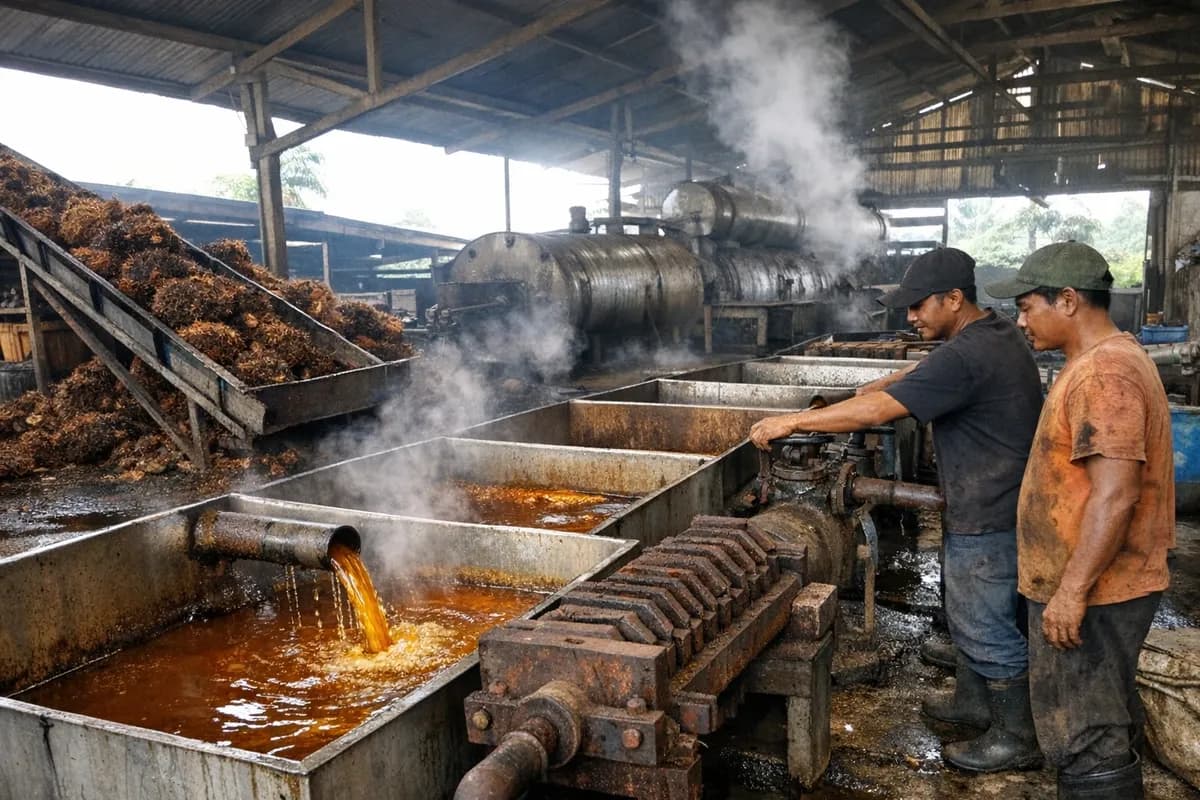
For refinery or oleochemical intake, our Crude Palm Oil (CPO) is supplied with FFA ≤ 5.0% as palmitic, moisture and impurities ≤ 0.1%, iodine value 50 to 55, DOBI ≥ 2.5, a 3,000 MT vessel lot MOQ, bulk vessel or shore tank packing, 2 to 3 weeks lead time from contract, ISPO, Halal BPJPH, and ISO 22000 certification, FOB, CFR, or CIF Incoterms, and HS code 1511.10.

Featured product
Crude Palm Oil (CPO)
Bulk vessel crude palm oil from Sumatra refineries with published FFA, DOBI, and moisture limits for refinery and oleochemical feed.
ISPO · Halal (BPJPH) · ISO 22000
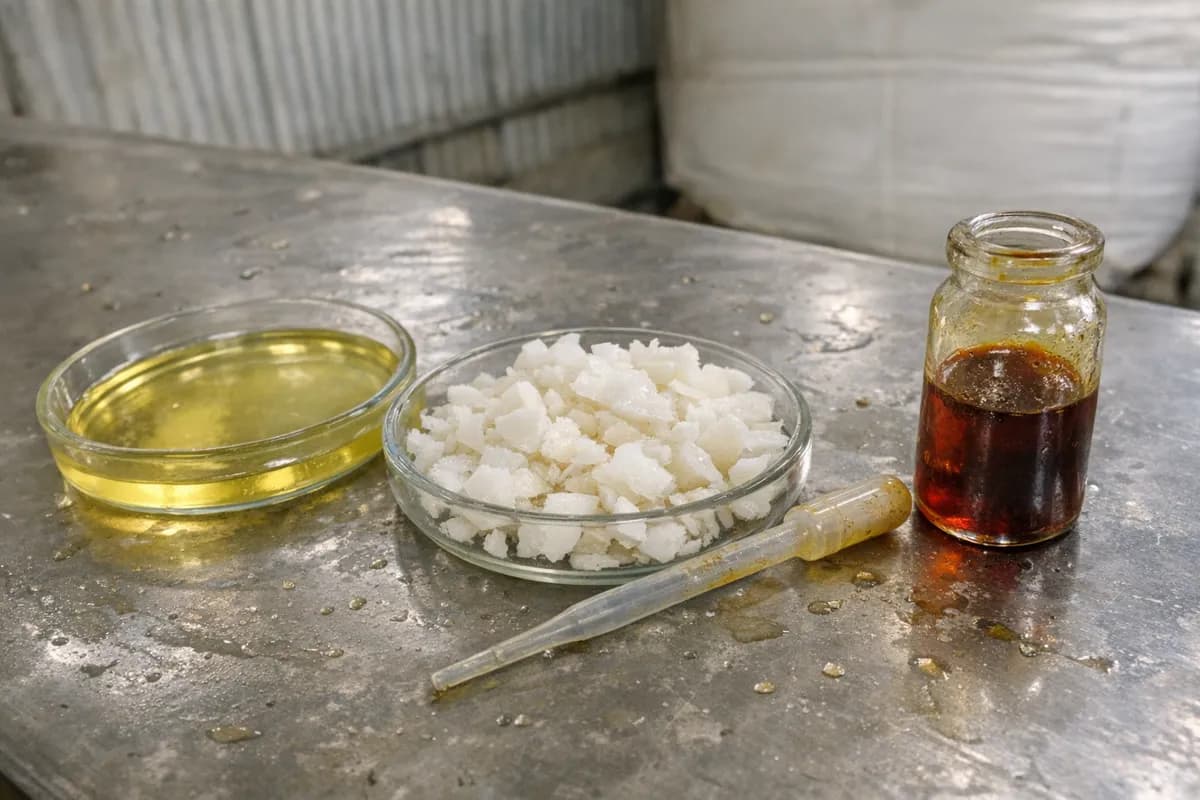
View specificationsFor food-grade olein programmes, our RBD Palm Olein IV56 RSPO Mass Balance is supplied with FFA ≤ 0.1%, iodine value 54 to 56, cloud point ≤ 10°C, colour ≤ 3R Lovibond 5¼", a 500 MT flexitank MOQ or 3,000 MT vessel MOQ, flexitank 20 ft or bulk vessel packing, 2 to 3 weeks lead time from contract, RSPO Mass Balance, ISO 22000, and Halal BPJPH certification, FOB, CFR, or CIF Incoterms, and HS code 1511.90.
If the buyer’s customer requires physically segregated RSPO material, our RBD Palm Olein RSPO Segregated is supplied in 500 MT flexitank lots under HS code 1511.90, with 3 to 4 weeks lead time from contract. Segregated and Mass Balance claims are different purchasing choices, so the claim model should be fixed before the purchase order is issued.
The buyer’s customs broker should still confirm the import classification at destination. We publish the HS codes used for our product lines, but the importer of record is responsible for the EU customs declaration and any national filing tied to the import.
If your procurement file already names the grade and claim model, send the draft specification and destination port through our contact page so we can check the product route before quotation.
What evidence should be requested before a palm oil quote?
Request the EUDR evidence structure before final price negotiation, not after shipment booking. The EU buyer should know what information is needed for the due diligence statement and which party in the chain is responsible for preparing each record.
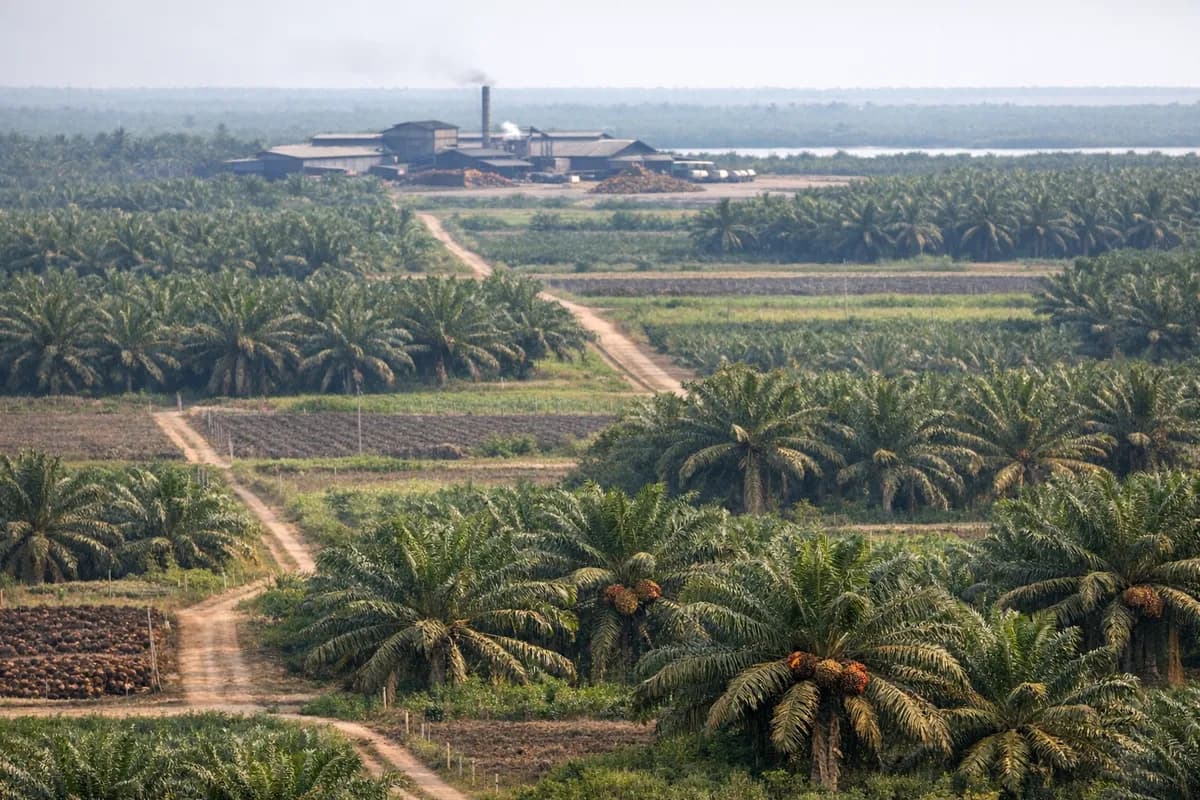
Article 9 of Regulation (EU) 2023/1115 requires operators to collect information including product description, quantity, country of production, geolocation of all plots of land where the relevant commodities were produced, supplier details, and evidence that the products are deforestation-free and legal. For commodities other than cattle, Article 2 of Regulation (EU) 2023/1115 defines geolocation so that plots of more than 4 hectares should be provided as polygons, while smaller plots may use latitude and longitude points.
The buyer checklist should separate three files.
First, the commercial file: product name, HS code, volume, Incoterm, shipment window, loading port, discharge port, payment terms, and document list. This file supports the contract and customs entry.
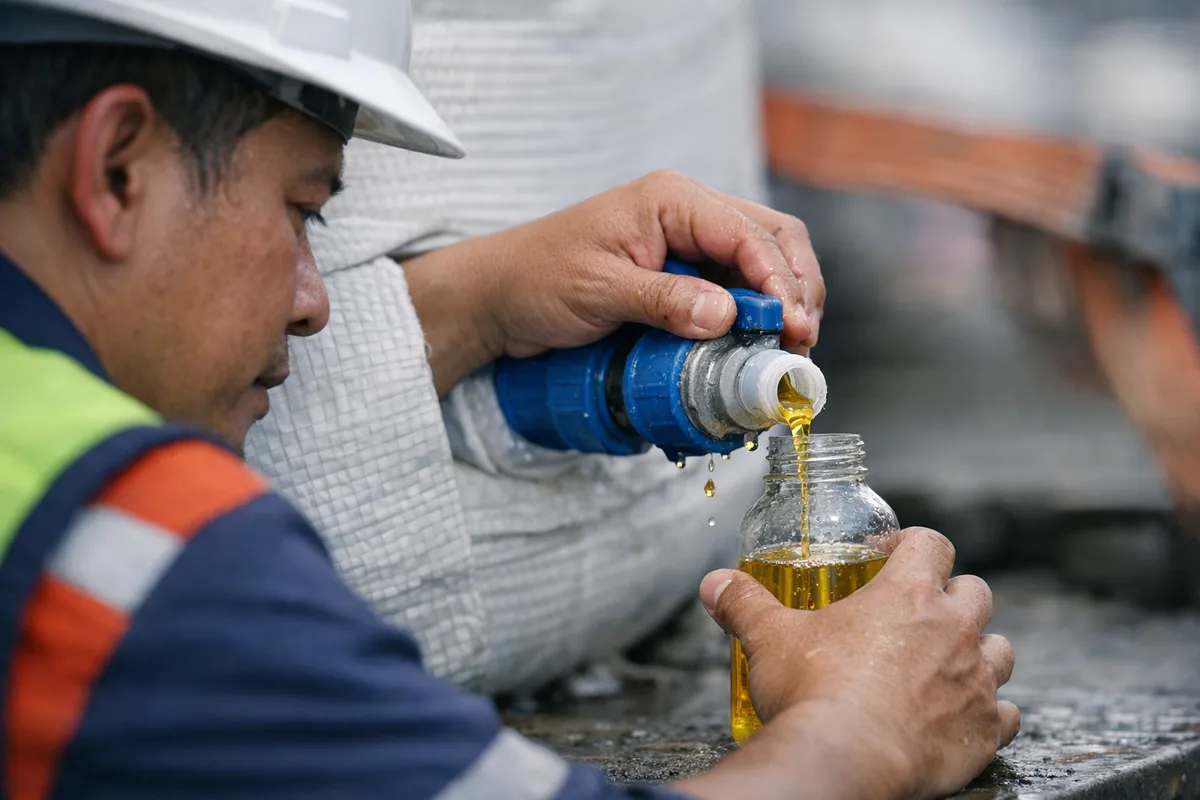
Second, the quality and handling file: certificate of analysis, tank or container references, flexitank or vessel route, and any receiving specification required by the buyer’s factory. For RBD olein, the practical intake checks are usually FFA, iodine value, cloud point, and colour. For CPO, the intake checks normally include FFA, moisture and impurities, iodine value, and DOBI.
Third, the EUDR due diligence file: country of production, plot-level geolocation structure, legality evidence, deforestation assessment, risk assessment notes, and the due diligence statement reference once filed in the EU system. The EU operator should define the minimum acceptable evidence format before contracting because a vague request for “EUDR documents” can produce gaps late in the shipment process.
For broader import document sequencing, our guide to importing Indonesian palm oil documents and steps explains how the invoice, bill of lading, certificate of analysis, and certificate claims should align.
What is the MOQ and price context for EUDR-screened palm oil?
Our MOQ depends on the product route: CPO is 3,000 MT by vessel, RBD Palm Olein IV56 RSPO Mass Balance is 500 MT by flexitank or 3,000 MT by vessel, and RSPO Segregated olein is 500 MT by flexitank. Price depends on grade, certification claim, packing, Incoterm, volume, shipment timing, freight, and the Indonesian export cost structure in force at the contract date.
We do not publish spot prices in an article because palm oil markets move daily. Physical offers can be built from traded palm oil benchmarks such as Bursa Malaysia Derivatives FCPO, then adjusted for Indonesian origin, refining margin, RSPO claim model where applicable, packing format, shipment month, and freight route.
Indonesian export cost is another moving component. Indonesia’s Ministry of Trade publishes the reference price used for palm oil export duty administration, and Indonesia’s Ministry of Finance publishes the export duty and levy tariff rules. Buyers should treat those items as contract-date variables rather than fixed annual assumptions.
Incoterm choice changes the landed cost comparison. Under FOB, the buyer controls main ocean freight and insurance. Under CFR, we arrange freight to the named destination port while the buyer handles insurance. Under CIF, we arrange freight and marine insurance to the named destination port. The destination importer remains responsible for EU customs clearance, duties, taxes, local port charges after arrival, and inland transport unless the contract says otherwise.
If you need current pricing, send the grade, quantity, Incoterm, destination port, shipment month, and EUDR evidence expectations via our contact page. A quotation is more reliable when the EUDR file structure is known before the freight and allocation are fixed.
How should the contract and shipment documents be checked?
Check the contract and shipping documents against the EUDR workflow before loading. The due diligence statement cannot be treated as a separate afterthought if the commercial file uses inconsistent product names, HS codes, or claim wording.
Start with the contract. It should state the product grade, quantity, Incoterm, shipment period, destination port, HS code, quality specification, packing route, certification claim if any, and document set. If the buyer needs RSPO Mass Balance or RSPO Segregated olein, that claim should appear consistently in the contract, invoice, and supporting certification file.
Then check the bill of lading draft. Confirm shipper, consignee, notify party, loading port, discharge port, vessel or container number, seal references for flexitanks, freight term, and weight wording. A bill of lading description that does not match the invoice can create customs or bank issues even when the physical cargo is correct.
The certificate of analysis should match the grade purchased. A food manufacturer buying olein should not receive a generic “palm oil” quality certificate. A refinery buying CPO should confirm that the CPO parameters needed for intake are shown clearly.
For EUDR, the EU operator also needs the due diligence statement workflow. Article 4 of Regulation (EU) 2023/1115 requires operators to submit a due diligence statement before placing relevant products on the market or exporting them. The exporter can support the commercial and origin evidence process, but the EU buyer should confirm who is the operator, who files in the EU Information System, and how the DDS reference is recorded in the import file.
What final buyer checks reduce EUDR risk?
The strongest buyer check is to match the physical product, customs code, certification claim, and EUDR evidence before signing the purchase contract. If those four items are aligned early, the shipment file is easier to audit later.
Use a short pre-contract checklist. Confirm that the product is in scope under Annex I of Regulation (EU) 2023/1115. Confirm the HS code with your broker. Confirm whether your company is the EU operator or trader. Confirm the application date that applies to your entity under Regulation (EU) 2024/3234. Confirm the geolocation format required for the plot data. Confirm whether certification is a customer requirement, a risk-assessment input, or both.
Then check the trade route. A 500 MT flexitank olein shipment has a different document trail from a 3,000 MT CPO vessel lot. A Mass Balance claim has a different evidence expectation from a Segregated claim. A CIF quote has a different freight responsibility from FOB.
For product selection across grade, application, and claim model, review our palm oil product range before sending an inquiry. The buyer’s best EUDR position is built before price fixation: define the grade, verify the HS code, agree the evidence structure, and only then contract the shipment.